Source Invisible Soft Elastic Hairnets for Wigs, Styling, and Sleep
Explore 30 listings for invisible soft elastic hairnets designed for wig packing, hair styling, and night sleep protection. Compare nylon, satin, and lace net options with adjustable features and custom branding to find the right fit for your business needs.
Key considerations
Products List




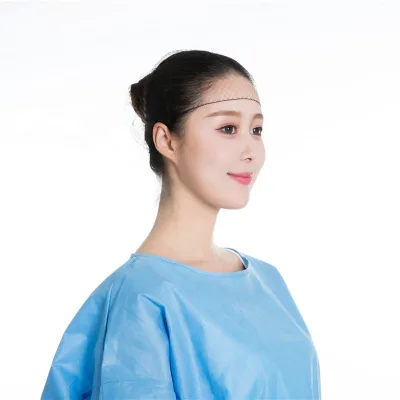
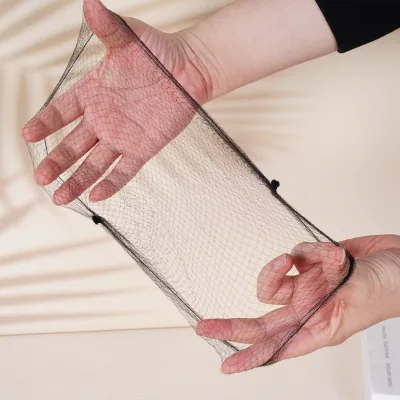


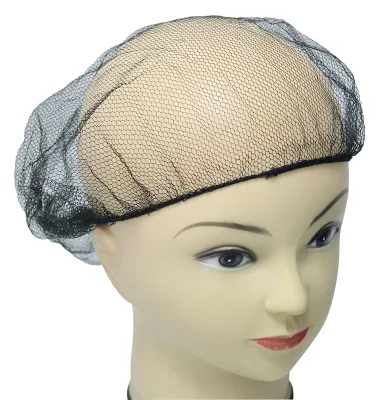


Comprehensive Sourcing Guide
Invisible Soft Elastic Hairnets Sourcing Guide
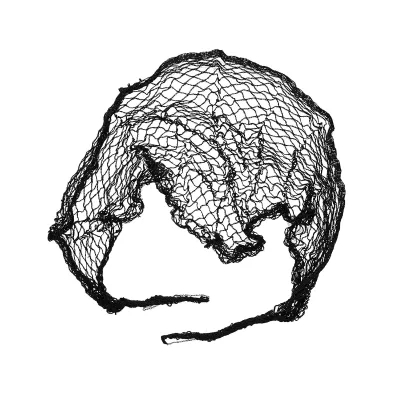
Procurement professionals seeking invisible soft elastic hairnets must first distinguish between functional hairnets designed for wig storage and those intended for personal styling or sleep protection. The market offers distinct variations, including nylon hairnets for packing wigs and satin bonnets for night use, each requiring specific material verification to ensure the intended application is met. Buyers should prioritize suppliers who clearly define the product's primary function, such as making ponytails or securing hair extensions, to avoid receiving items that lack the necessary elasticity or transparency for the specific use case.
When evaluating listings, it is critical to verify the stated material composition, as options range from nylon and lace net to satin, each offering different levels of stretch and invisibility. The observed product data indicates that some items are machine-made with specific features like adjustable straps or drawstrings, which directly impact the fit and comfort for the end user. Sourcing teams must cross-reference these technical attributes with their internal requirements, ensuring that the selected product aligns with the desired aesthetic of being "invisible" while maintaining the structural integrity needed for its specific function.
Product Scope and Observed Listing Signals
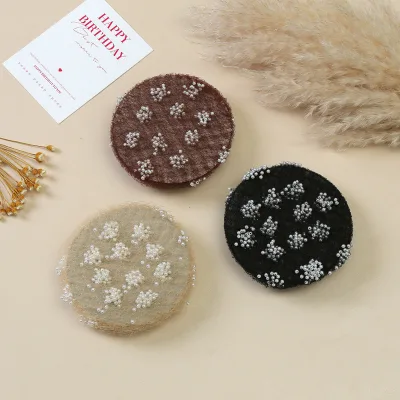
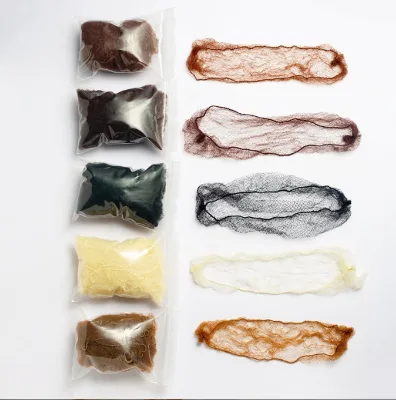
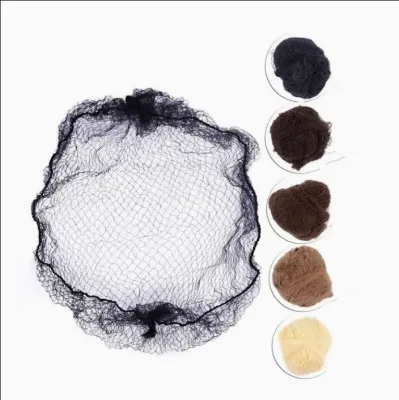
The current market landscape for invisible soft elastic hairnets reveals a diverse range of product models, including specific identifiers like WT-091 and WT-057, which often dictate the final dimensions and material properties. Buyers will encounter listings that specify standard sizes such as 20 inches or 24 inches, alongside flexible options like S/L sizing, which suggests a need to confirm the exact fit before placing bulk orders. The presence of multiple color options, including black, blonde, and various brown shades, indicates that customization is a common feature, allowing buyers to match specific inventory needs or brand requirements.
Listing signals also highlight significant variations in packaging and unit counts, ranging from single pieces per bag to rolls containing twenty pieces, which directly influences the unit cost and logistics planning. Some suppliers offer standard export cartons, while others utilize simple OPP bags, a distinction that affects the perceived value and protection of the goods during transit. Procurement teams must carefully analyze these packaging details to ensure they align with their distribution strategy, as the difference between a bulk roll and individual retail packaging can significantly alter the final cost structure and shelf presentation.
Technical Specifications to Verify
Technical verification begins with confirming the material composition, as the core requirement for an "invisible" effect often relies on specific fabric types like nylon or lace net that blend seamlessly with hair. Buyers must ensure that the product specifications explicitly state the material, such as nylon for durability or satin for a soft, non-abrasive feel, to prevent mismatches between the ordered item and the expected performance. The observed data shows that some products are defined by their weight, such as 27 grams, which serves as a proxy for density and opacity, helping buyers assess whether the item will truly remain undetectable when worn.
Dimensional accuracy is another critical specification that requires strict validation, as the market offers standards ranging from 14 inches to 30 inches, with some models labeled simply as "Long" or "One Size Fits All." Procurement teams should request detailed measurements for the circumference and length to ensure the elastic properties provide a secure hold without being too tight or too loose. Additionally, verifying the production technique, such as machine-made construction, is essential to guarantee consistency in the elastic band and the overall durability of the hairnet, ensuring it withstands repeated use without losing its shape.
Compliance and Safety Documentation
While specific certification data for these hairnets is not universally provided in the observed listings, buyers must proactively request documentation to ensure the products meet safety standards for direct skin contact. Since these items are often used for sleeping or styling, verifying that the materials are free from harmful dyes or irritants is a fundamental safety requirement that should be confirmed through supplier declarations or third-party test reports. The absence of explicit certification claims in the source data necessitates a rigorous due diligence process where the buyer explicitly asks for compliance with relevant textile safety regulations before finalizing any purchase agreement.
Documentation should also cover the origin of the materials and the manufacturing processes to ensure ethical sourcing and quality control throughout the supply chain. Buyers should verify that the supplier can provide evidence of their production standards, particularly if the hairnets are intended for sensitive applications like medical or professional styling environments. Although some listings mention factory-direct advantages, this does not substitute for formal safety compliance, and procurement teams must treat the lack of visible certification as a gap that requires immediate clarification from the supplier to mitigate potential liability risks.
Cost Drivers and Commercial Terms
The cost structure for invisible soft elastic hairnets is heavily influenced by the material choice, with satin and specialized lace nets typically commanding higher prices than standard nylon options. Buyers must analyze the unit price against the material quality, as the observed price range of 0 to 3.9 USD suggests a wide disparity based on features like adjustability, branding, and packaging complexity. Understanding these cost drivers is essential for budgeting, as the inclusion of custom logos or specific color variations can significantly increase the per-unit cost, requiring a clear trade-off analysis between customization and volume pricing.
Commercial terms, particularly Minimum Order Quantities (MOQ), vary widely across the market, with some suppliers accepting orders as low as 100 pieces while others require volumes up to 400,000 units. This variance presents a strategic decision point for buyers, as smaller MOQs may offer flexibility for testing new designs but often come with higher unit costs, whereas larger orders secure better pricing but increase inventory risk. Procurement teams must negotiate terms that balance these factors, ensuring that the agreed-upon MOQ aligns with their sales forecasts and that the supplier offers reasonable lead times to accommodate the production scale required.
Supplier Qualification and Quality Control
Supplier qualification for hairnet manufacturers should focus on their production capabilities and their history of delivering consistent quality in elastic-based textile products. Buyers must verify that the supplier has the necessary machinery for machine-made production and the capacity to handle customization requests, such as private labeling or specific color matching, which are frequently advertised as available services. The presence of OEM and ODM acceptance in the product data indicates a willingness to adapt, but this must be backed by a proven track record of maintaining quality standards across different production runs and order sizes.
Quality control protocols must be established to ensure that the final products meet the specified dimensions and material properties, particularly regarding the elasticity and durability of the hairnets. Buyers should implement a sampling process to test the "strong hold" and "adjustable" features mentioned in the product descriptions, ensuring that the items perform as expected under real-world conditions. Establishing clear acceptance criteria for defects, such as uneven stitching or inconsistent sizing, is vital to prevent the receipt of substandard goods, and suppliers should be required to provide pre-shipment inspection reports to validate their quality assurance processes.
Long-Term Procurement Checks
Sustaining a successful procurement relationship for invisible soft elastic hairnets requires regular performance reviews to ensure that the supplier continues to meet evolving quality and delivery expectations. Buyers should monitor the consistency of product attributes, such as the color accuracy and material feel, over multiple orders to detect any drift in quality that could impact the end-user experience. Establishing a feedback loop with the supplier allows for the continuous improvement of the product, ensuring that any issues identified in the field are addressed promptly in future production cycles.
Long-term checks also involve assessing the supplier's ability to scale production and manage supply chain disruptions, which is critical for maintaining inventory levels during peak demand periods. Buyers should evaluate the supplier's responsiveness to changes in order volume and their capacity to adapt to new market trends, such as the introduction of new colors or materials. By maintaining a proactive approach to supplier management, procurement teams can secure a reliable source of high-quality hairnets that supports their business growth and maintains the competitive edge in the market.
FAQs
What materials are used for invisible soft elastic hairnets?
These hairnets are primarily made from nylon or satin materials. Nylon options are machine-made and suitable for packing wigs and hair extensions. Satin bonnets offer an invisible adjustable fit for night sleep. Both materials provide durability and comfort for various hair styling needs.
Can I customize the logo on these hairnets?
Yes, customization is available for many of these products. Suppliers accept OEM and ODM requests to customize styles and logos. Private labels are also acceptable for certain models. This allows buyers to brand the hairnets for their specific business needs or retail requirements effectively.
What sizes are available for these hairnets?
Standard sizes include 14-inch, 20-inch, and 24-inch lengths. Some models offer S/L sizing or one-size-fits-all options. Specific standards like 20-inch are common for nylon nets. Buyers should check the product standard details to ensure the size matches their intended use for wigs or styling.
What is the typical MOQ for these hairnets?
The minimum order quantity varies by product. Some items have an MOQ of 100 pieces, while others range up to 400,000 units. Buyers should verify the specific MOQ for each model. Flexible ordering options exist to accommodate different business scales and inventory requirements.
Where are these hairnets manufactured?
These products originate from various regions in China, including Hubei, Henan, and Zhejiang. Each location may offer different advantages such as factory direct pricing or specific production capabilities. Buyers can select suppliers based on their preferred origin for logistics or quality considerations.
How are these hairnets packaged for shipping?
Packaging methods include individual bags, PP or PVC bags, and standard export cartons. Some items use OPP bags for single units. The packaging is designed to protect the hairnets during transit. Buyers should confirm the packing details to ensure compliance with their import requirements.